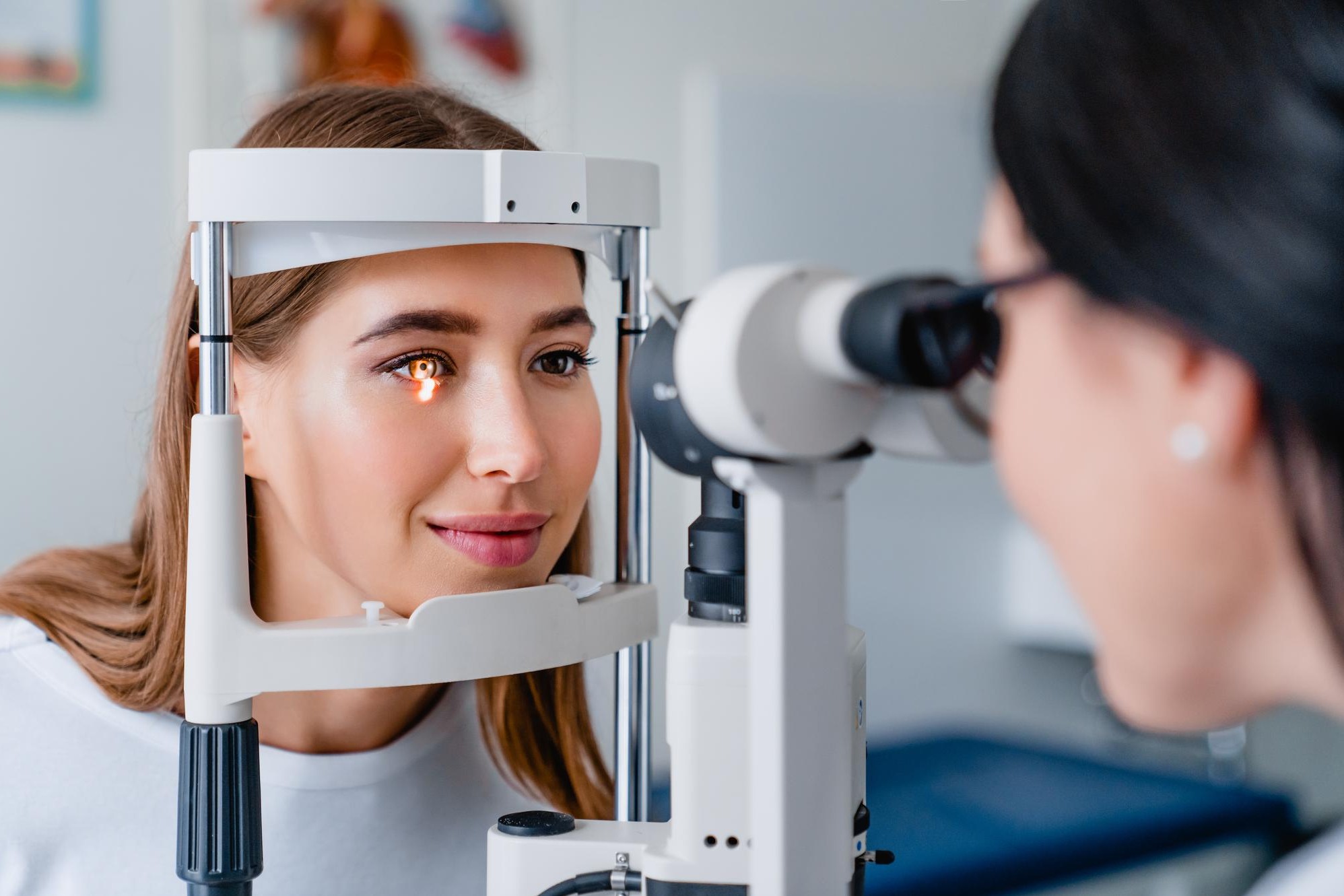
Blurred vision after a long day may seem easy to dismiss. So can occasional eye strain, difficulty reading small print, or increasing dependence on brighter light. Yet some changes deserve an examination rather than repeated self-management.
Knowing when to visit an Eye Doctor in Sion can help distinguish routine spectacle changes from eye conditions requiring further evaluation.
1. Sudden Loss of Vision
A sudden reduction in vision is different from gradual difficulty caused by an outdated spectacle prescription.
Unexpected loss of sight in one eye or both eyes can have several possible causes. Some require prompt medical attention. A person experiencing sudden significant visual loss should seek urgent professional assessment rather than waiting for a routine appointment.
2. New Flashes With Floaters
Floaters can be common, especially with age. A sudden increase in floaters accompanied by flashes deserves attention.
These symptoms can occur during changes inside the eye. In some situations, they may be associated with a retinal tear or retinal detachment.
A timely dilated retinal examination can help determine the cause.
3. Persistent Blurred Vision
Blurred vision can arise from refractive error, dry eye, cataract, retinal disease, corneal conditions, glaucoma-related problems, several other causes.
If blur persists despite rest or appears to be worsening, an eye examination can identify whether spectacles are sufficient or further investigation is necessary.
4. Difficulty Seeing at Night
Night-time vision often changes gradually.
Some people notice glare from headlights, halos around lights, reduced contrast, difficulty recognizing objects in dim conditions. Cataract is one possible explanation, although other eye conditions can also influence night vision.
A clinical examination is more useful than trying to identify the cause from symptoms alone.
5. Increasing Difficulty Reading
Near vision commonly changes with age. People may start holding reading material farther away or requiring brighter lighting.
This can be related to presbyopia, a normal age-related focusing change. However, persistent reading difficulty still deserves evaluation when accompanied by distortion, significant blur, headaches, or other visual symptoms.
6. Eye Pain With Visual Changes
Eye discomfort has many possible causes. Significant pain accompanied by blurred vision, redness, light sensitivity, nausea, or sudden visual change should not be ignored.
Certain eye conditions can progress quickly, making timely assessment important.
7. Distorted Straight Lines
If window frames, text lines, tiles, or other straight objects suddenly appear bent or wavy, the change may involve the central retina.
Distortion can be particularly noticeable when looking with one eye at a time.
New distortion deserves an eye examination, especially when it affects reading or central vision.
8. Gradual Loss of Side Vision
Peripheral visual changes can be difficult to recognize because the brain adapts to gradual loss.
Glaucoma is one condition that can affect peripheral vision. Visual field testing plus optic nerve assessment may be recommended when glaucoma is suspected.
Routine Eye Checks Still Matter
Eye care should not begin only when vision becomes poor. Certain eye diseases can develop with limited early symptoms.
People with diabetes, a family history of glaucoma, previous eye surgery, significant refractive error, eye trauma, or known eye disease may need follow-up based on individual risk.
Dr Seema Pallawkar - Neurovue Eye Clinic provides ophthalmic evaluation for patients in Sion who require assessment of visual symptoms or ongoing eye health.
The most important distinction is between gradual familiar changes plus sudden unexplained symptoms. Sudden visual loss, new flashes, numerous floaters, severe pain, or a curtain-like shadow warrants prompt attention.
Keywords